

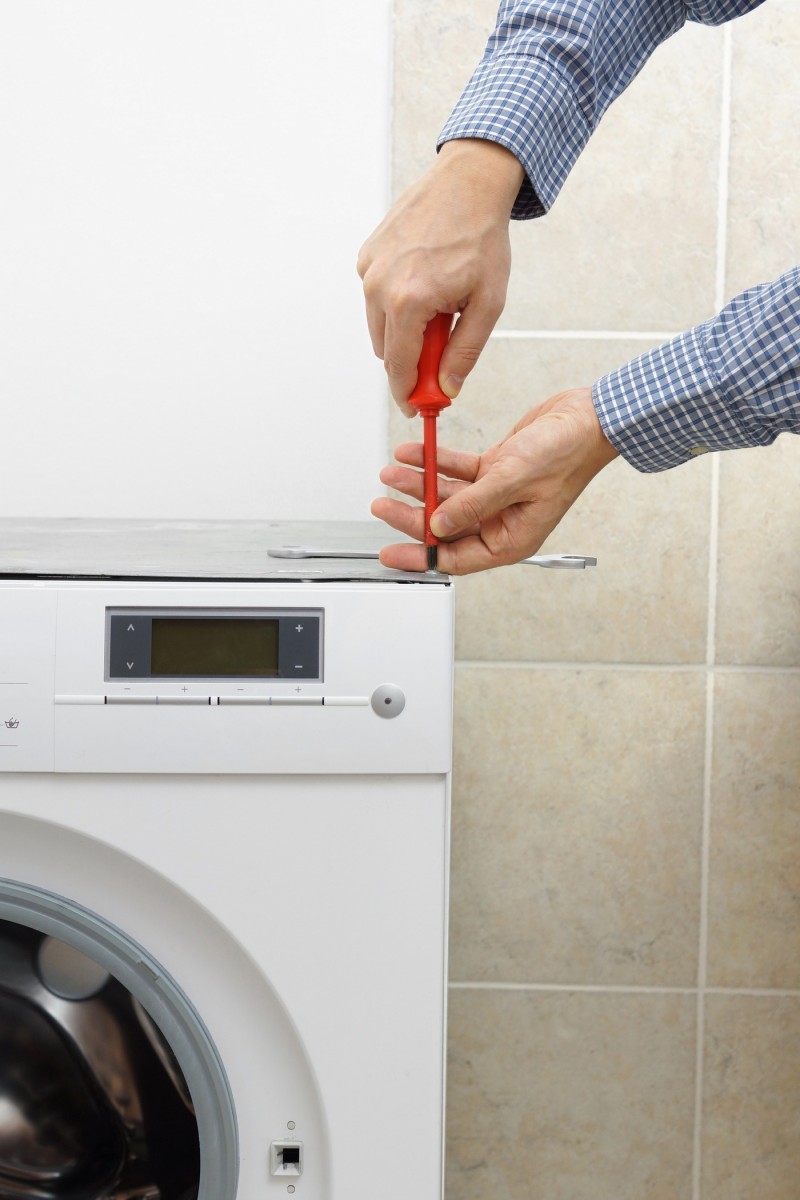
Whether you are dealing with a refrigerator that won’t cool or a dryer that won’t spin, the first question on every Colorado homeowner’s mind is usually about the budget. Understanding the average appliance repair cost can help you decide whether to invest in a fix or start shopping for a replacement. In a state where seasonal shifts put extra pressure on everything from dryers to kitchen ranges, knowing what influences your final bill is key to maintaining a functional home. Several variables determine the final price, but most repairs are influenced by two primary categories.
What Factors Affect Appliance Repair Cost: Parts, Labor, and Service Fees
The structure of an appliance repair cost typically starts with a service fee or call-out charge. In Colorado, this diagnostic fee generally ranges from $70 to $130. Most reputable companies will apply this fee toward the total cost of the repair if you choose to move forward with the work.
Once the issue is identified, the two main cost drivers are:
- Labor: Most technicians charge between $50 and $125 per hour. Complex repairs, such as those involving sealed refrigeration systems or intricate gas lines, often require specialized skills and more time, naturally increasing the labor cost.
- Parts: Replacement parts can account for 30% to 60% of your total bill. While generic parts are often cheaper, professional technicians recommend using OEM (Original Equipment Manufacturer) parts to ensure longevity and protect your appliance’s warranty.
Appliance Type and Age
The specific appliance you are repairing significantly impacts the cost. For example, a simple microwave fix might cost as little as $100, while a high-end refrigerator compressor replacement can soar to $500 or more.
- Complexity of the Unit: Gas appliances typically cost about 10% to 20% more to repair than electric ones due to the higher safety risks and specialized expertise required. Similarly, smart appliances with complex digital control boards often carry a higher price tag for both diagnostics and replacement components.
- The “50% Rule” for Age: A major factor is the age of the machine. Most modern appliances have a lifespan of 8 to 15 years. If your appliance is over a decade old and the repair cost exceeds 50% of the price of a new unit, replacement is often the more economical choice in the long run.
If one of your major home systems is acting up, get a transparent estimate from the experts. Contact All Area Appliance today for a detailed quote on your appliance repair cost and get your Colorado home running smoothly again!