


Modern appliances are more like high-tech computers than the simple mechanical boxes of the past. Because of this complexity, the “DIY” route often leads to more hazards than solutions. Certified appliance repair technicians undergo extensive training to navigate the delicate balance of high-voltage electricity, gas lines, and pressurized refrigerants. Whether you are dealing with a malfunctioning refrigerator in Denver or a temperamental dryer in Colorado Springs, professional repair standards ensure that every fix is both safe and durable, preventing small issues from turning into dangerous household emergencies.
Safety Protocols and Precautions During Repairs of Appliance Repair Technicians
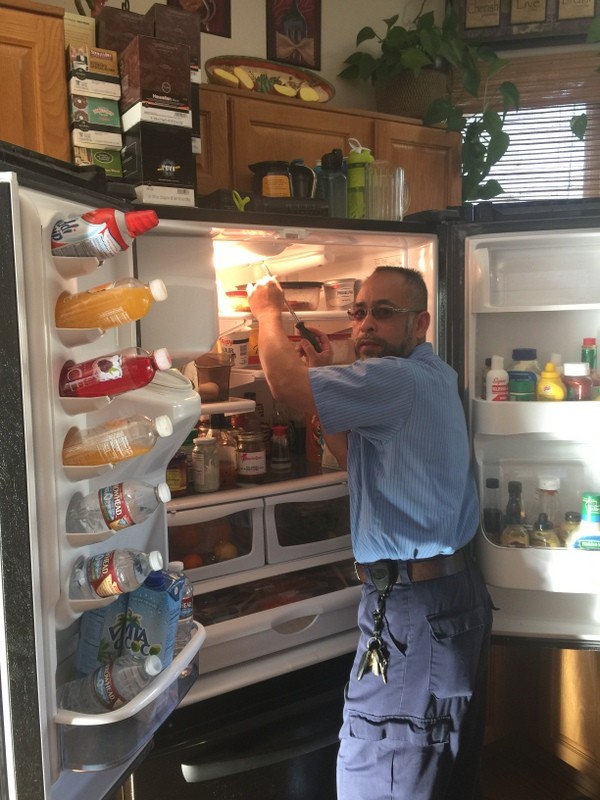
Safety is the foundation of any professional service visit. Before appliance repair technicians even pick up a wrench, they implement several non-negotiable safety protocols:
- Power & Gas Isolation: Technicians always disconnect the electrical power and shut off gas supplies before starting. For hard-wired units, they verify that the circuit breaker is off using a voltage tester to prevent accidental shocks.
- Personal Protective Equipment (PPE): You’ll notice pros wearing insulated gloves, safety goggles, and non-slip footwear. This protects them from sharp metal edges, electrical hazards, and chemical splashes from refrigerants or cleaning agents.
- Workspace Management: A pro keeps their area well-lit and organized. This prevents “divided attention” accidents and ensures that no stray screws or tools are left inside the appliance’s mechanical parts.
- Environmental Protection: When working with refrigerators or air conditioners, certified technicians use specialized equipment to recover refrigerants safely, preventing hazardous leaks into your home or the environment.
Quality Checks and Testing for Reliable Performance
Once the physical repair is complete, the job isn’t over. Appliance repair technicians perform a series of “Field Tests” to guarantee long-term reliability:
- Continuity & Grounding Tests: Using a multimeter, technicians check for “ground continuity” to ensure the appliance is properly grounded. This is a critical step to prevent future short circuits or electrical fires.
- Cycle Testing: A technician will run a full test cycle—whether it’s a high-heat bake for an oven or a high-speed spin for a washer—to observe the appliance under a “load.” This ensures the new parts are interacting correctly with the old ones.
- Leak Detection: For gas stoves or water-based appliances like dishwashers, pros use electronic detectors or soap-solution tests on all connections to ensure there are zero leaks after reassembly.
- Calibration: They verify that thermostats and sensors are calibrated correctly so that your appliance operates at peak energy efficiency.
Don’t settle for “good enough” when it comes to your home’s most important machines. If your appliances are acting up, trust the experts who prioritize your safety. Contact All Area Appliance today to schedule a visit with our certified appliance repair technicians and enjoy peace of mind with every repair!