

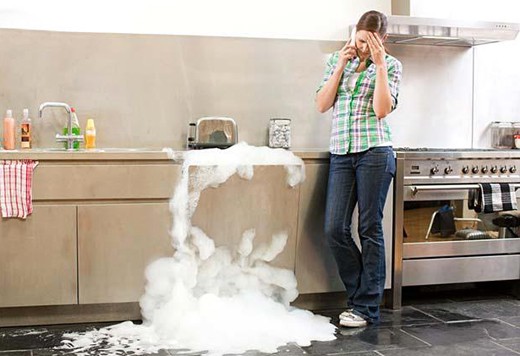
A dishwasher is one of the few appliances that can cause significant damage to your home before you even realize there is a problem. Because much of the plumbing and electrical work is tucked behind cabinetry, a small leak can go unnoticed until it has warped your subflooring or caused mold growth—a major concern for health-conscious Colorado families. Staying vigilant for the subtle signs that you need a dishwasher repair, such as standing water in the basin or a door that doesn’t latch quite right, is essential for protecting both your kitchen’s aesthetic and your home’s structural integrity.
Dishwasher Repair: Top Causes of Dishwasher Leaks and How to Prevent Them

A puddle on your kitchen floor is a clear distress signal. Water damage can be incredibly costly, especially with the hardwood flooring common in Colorado homes.
- Worn Door Gaskets: The rubber seal around the door is the first line of defense. Over time, it can dry out, crack, or become caked with food particles. Regularly wiping the gasket with a damp cloth can prevent leaks.
- Faulty Float Switch: This component tells the dishwasher when to stop filling. If it gets stuck or fails, the unit may overfill, leading to a leak from the bottom of the door.
- Leaky Hoses and Clamps: The drain hose and water inlet valve can loosen due to vibrations. Periodically checking under the sink to ensure connections are tight is a simple way to avoid a professional dishwasher repair bill.
Why Your Dishwasher Isn’t Cleaning Properly: Common Mechanical and Maintenance Problems
There is nothing more frustrating than unloading a “clean” dishwasher only to find stuck-on food and cloudy glasses.
- Clogged Spray Arms: Tiny holes in the spray arms can become blocked by food debris or mineral deposits from hard water. If the arms can’t spin or spray freely, your dishes won’t get rinsed properly.
- The Filter Assembly: Most modern dishwashers have a manual-clean filter. If this isn’t rinsed regularly, old food recirculates onto your “clean” dishes, often leaving a gritty residue.
- Failed Heating Element: If your dishes are still soaking wet and cold at the end of a cycle, the heating element may be burnt out. This affects both drying and the sanitization process.
Maintenance goes a long way, but some mechanical failures require a professional touch to ensure a safe and lasting fix. Attempting a complex dishwasher repair without the right tools can lead to further damage or electrical hazards. If your appliance is leaking, making strange noises, or simply failing to get the job done, call All Area Appliance today. Our local experts are ready to restore convenience to your kitchen with fast, reliable service.